Selecting Display Cases for Vintage Matchbooks

Are you wondering how to show off your collection without letting light or dust ruin the cardboard? When you spend years hunting down a rare 1950s diner design or a limited edition promotional piece, the last thing you want is to see that vibrant ink fade or the edges soften due to poor storage. Displaying matchbooks isn't just about putting them on a shelf; it's about creating a controlled environment where the paper stays crisp and the colors stay bright. This guide covers the different types of display methods—from shadow boxes to custom acrylic stands—and how to choose the right one for your specific collection size and budget.
What is the best way to display matchbooks?
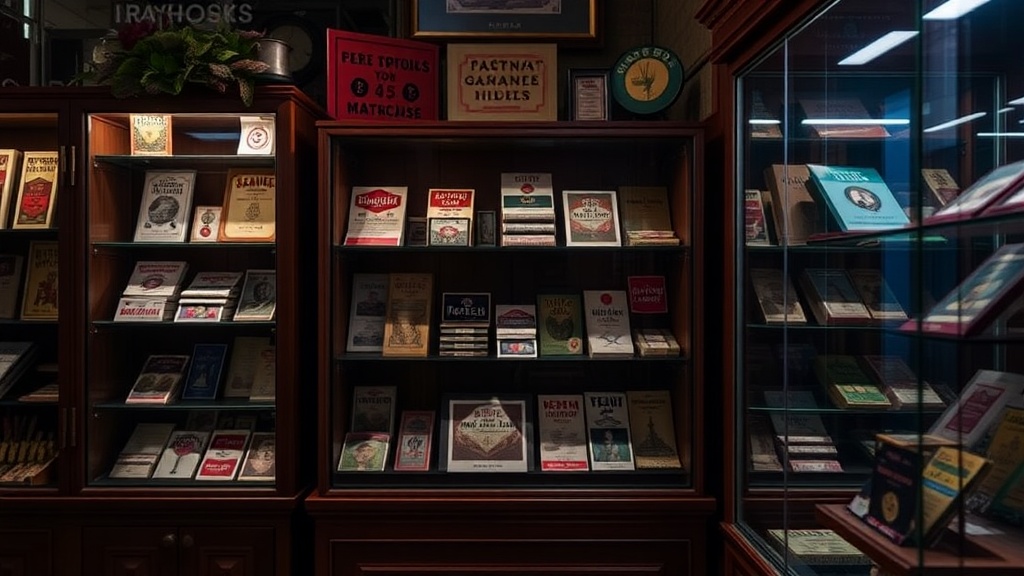
The best way to display matchbooks depends entirely on whether you want to show them off as art or keep them tucked away for protection. If you have a small selection of high-value pieces, an individual acrylic stand or a small shadow box works wonders. These options allow you to highlight the graphic design of a single piece without cluttering your desk. However, if you're building a massive library of hundreds of books, you'll want something more structural. Many collectors opt for custom-built wooden shelving or specialized glass-fronted cabinets that can hold dozens of books in a neat, upright row. This prevents the "leaning" effect that often happens when books are just piled on a shelf.
One common mistake is using standard picture frames with a single sheet of glass. While this looks nice, it often traps moisture or can cause the paper to stick to the glass over time. Instead, look for frames with a deep profile or a "float" mount. A float mount provides a small gap between the paper and the backboard, which allows air to circulate—a small but vital detail for preserving paper-based collectibles. If you're using a shadow box, ensure it has a high-quality UV-protective glass or acrylic to stop the sun from eating your collection.
How can I prevent fading in my collection?
Light is the enemy of vintage paper. Most vintage matchbooks use vegetable-based or early synthetic inks that are incredibly sensitive to UV rays. If you place your collection in a room with large, unshaded windows, you'll see the colors dull in just a few months. To prevent this, you should look for display cases that feature UV-resistant acrylic. While it's more expensive than standard plastic, the protection it offers is worth the extra cost. You can check the UV resistance standards through resources like the Library of Congress to understand how light affects different materials.
If you can't afford high-end UV-protective cases, another strategy is to use the lighting in your room to your advantage. Avoid placing your display directly under a bright ceiling light or near a sunny window. LED bulbs are generally a better choice than old-fashioned incandescent bulbs because they emit much less heat and far less UV radiation. If you're displaying your books in a trophy case or a glass cabinet, ensure there is enough ventilation so the temperature doesn't spike inside the enclosure. Heat can make the cardboard brittle and accelerate the aging of the glue inside the matchbook.
Should I use individual holders or a single display box?
This is a classic debate among collectors. Using individual holders—like small acrylic sleeves or even specialized "trading card" protectors—is great for pieces you want to handle often. If you have a "grail" item, a single-item stand keeps it safe while making it the star of the show. On the other hand, a single large display box or a dedicated bookshelf is much more efficient for volume. If you have 50 matchbooks from the same hotel chain, displaying them in a single, organized row looks professional and keeps the collection cohesive.
Consider the following comparison when making your choice:
- Individual Holders: Best for high-value, single-item displays; provides maximum protection for one piece; great for desk decor.
- Large Display Boxes: Best for large collections; creates a uniform look; much easier to organize by theme or era.
- Shadow Boxes: Best for a "museum" look; allows for creative layouts; provides depth and visual interest.
When choosing a display method, always consider the weight of the books. A heavy stack of matchbooks can actually bend the bottom ones if they aren't supported properly. If you're using a shadow box, I recommend using thin strips of acid-free cardstock to prop up the books. This prevents them from falling forward and maintains that upright, professional look. Always ensure your materials are acid-free; standard cardboard or cheap paper can transfer acidity to your matchbooks, causing yellowing and permanent damage. For more on the chemical side of preservation, the Library of Congress offers extensive documentation on the long-term effects of acidic materials on paper artifacts.
Ultimately, your display should reflect your style. Some collectors prefer a minimalist look with clean lines and clear acrylic, while others like the vintage feel of dark wood and brass-edged cabinets. Regardless of your aesthetic, the goal remains the same: keep the light away, keep the air moving, and keep the pieces upright. A well-displayed collection is a joy to look at, but a poorly displayed one is a tragedy of lost history.