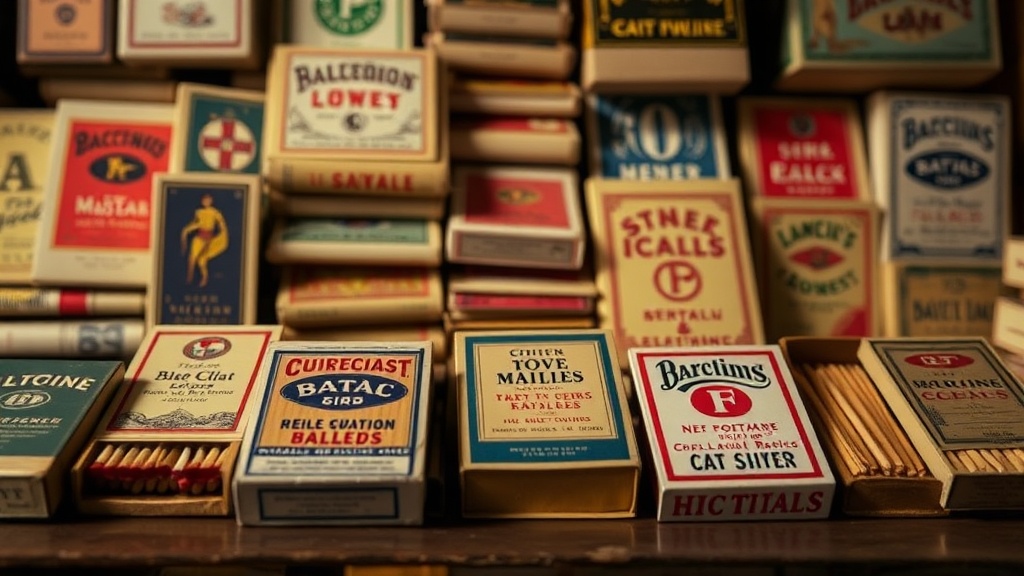
10 key Tips for Starting Your Vintage Matchbook Collection

Start with a Theme or Focus Area
Learn to Identify Rare and Valuable Matchbooks
Source Matchbooks from Estate Sales and Flea Markets
Proper Storage Techniques for Paper Ephemera
Document Your Collection with Detailed Records
What This Guide Covers
Vintage matchbook collecting has surged in popularity over the past decade. What started as a niche hobby has evolved into a serious pursuit for collectors worldwide. This guide breaks down ten practical strategies for building a collection that holds value and tells stories. Whether you're drawn to Art Deco hotel designs from the 1930s or mid-century advertising art, these tips will save you from costly mistakes and help you find pieces worth keeping.
What Are the Best Vintage Matchbooks for Beginners to Collect?
The most accessible entry points into this hobby are hotel matchbooks from the 1940s through 1970s, airline issues from the golden age of travel, and restaurant advertising pieces from regional chains.
Starting with hotels makes sense because they're abundant and visually striking. The St. Francis Hotel in San Francisco produced iconic red-and-gold matchbooks throughout the 1950s that remain affordable today. These pieces typically feature elegant typography and classic Americana design elements that display beautifully.
Airline matchbooks offer another rich vein. TWA, Pan Am, and Eastern Airlines all distributed high-quality matchbooks during the 1960s and 70s. The artwork often reflected destination cities and featured period-specific aesthetics. (Watch out for reproductions—these have flooded the market in recent years.)
Here's how the major collecting categories compare:
| Category | Era Range | Typical Price Range | Rarity Level | Display Appeal |
|---|---|---|---|---|
| Luxury Hotels | 1930s–1960s | $5–$75 | Moderate | High |
| Airlines (Major Carriers) | 1940s–1980s | $3–$40 | Common | Medium |
| Regional Restaurants | 1950s–1980s | $1–$15 | Variable | Medium |
| Military/Institutional | 1940s–1970s | $10–$200 | Rare | High |
| Foreign/Exotic Locations | Any | $5–$100+ | Variable | High |
The catch? Military matchbooks—particularly from World War II—command premium prices but offer historical significance that's hard to match. Navy ship matchcovers from the Pacific theater can fetch $50 to $300 depending on condition and rarity.
Restaurants present an interesting opportunity because they're often overlooked. A matchbook from a defunct local chain in your area might seem mundane, but to collectors across the country, it represents authentic regional history. These pieces typically cost under $10 and let you build volume without breaking the bank.
How Do You Properly Store and Preserve Vintage Matchbooks?
Store matchbooks in archival-quality polyethylene sleeves inside acid-free binders or boxes, keeping them away from direct sunlight, humidity above 60%, and temperature fluctuations.
The biggest threat to your collection isn't time—it's improper handling and storage. Matchbook paper from the mid-20th century often contains wood pulp that deteriorates when exposed to moisture or acidic materials. The striking surfaces (the printed outer paper) can fade within months if left in direct sunlight.
Invest in proper supplies from the start. BCW Supplies makes archival pages specifically for matchbooks—ten-pocket sheets that fit standard three-ring binders. These run about $15 for a pack of twenty. The pockets keep pieces secure while allowing full visibility of both sides.
For high-value items, consider individual archival sleeves. These prevent the matchbooks from rubbing against each other, which can cause wear to the striker strips and printed surfaces. The Gaylord Archival polypropylene sleeves are the gold standard—thin enough to fit in binders but durable enough for long-term storage.
Humidity control matters enormously. Paper products absorb moisture from the air, leading to warping, mold, and weakened adhesives. If you're serious about preservation, keep your collection in a room with stable climate control. At minimum, toss a few silica gel packets into your storage boxes and replace them every few months.
Worth noting: never—never—store matchbooks in PVC "plastic" pages or albums. The chemical off-gassing from PVC will yellow and deteriorate paper within a few years. That bargain album from the office supply store will destroy your collection.
Where Can You Find Authentic Vintage Matchbooks?
Authentic vintage matchbooks surface at estate sales, dedicated paper collectibles shows, reputable eBay sellers with high feedback ratings, and specialized dealers like those found through the Rathkamp Matchcover Society.
Estate sales remain the best hunting ground for serious collectors. These sales liquidate entire households—often including collections accumulated over decades. Arrive early on the first day for the best selection, but don't ignore the final day when prices drop. Many of the finest pieces in Portland collections came from estate sales in older neighborhoods where residents saved everything.
eBay requires more caution but offers unmatched variety. Search for "vintage matchbook lot" to find bulk purchases—sometimes 50 or 100 pieces for $20–$40. These lots often contain hidden gems mixed among common items. Check seller ratings carefully. Look for sellers with 99%+ positive feedback and specific expertise in paper collectibles rather than general merchandise.
Antique malls can surprise you, though prices tend to run higher. The advantage is immediate inspection—you can assess condition firsthand rather than relying on photos. Check the striker strips for wear, look for creases or tears, and verify that matches (if present) haven't deteriorated or become loose.
Paper collectibles shows happen several times yearly in major cities. These events bring together dozens of dealers and thousands of items. The Rathkamp Matchcover Society maintains a calendar of regional shows and provides authentication resources. Meeting other collectors face-to-face builds knowledge faster than any online research.
What Should You Check Before Buying?
Always inspect striker strip condition, corner wear, and whether the matchbook lies flat—creased spines and damaged strikers significantly reduce value.
The striker strip—that rough surface along the edge—is where most wear occurs. Heavy use leaves these strips smooth and depleted. A pristine striker on a 1940s hotel matchbook suggests the piece was never used—a condition collectors call "full strike." These command premiums.
Look at the spine carefully. Matchbooks fold along a perforated or scored line. Repeated opening weakens this area, causing tears or complete separation. A matchbook that doesn't lie flat when open has spine damage. This doesn't necessarily make it worthless—it's common on older pieces—but it affects grading and price.
The "full" designation matters. A "full" matchbook still contains its original matches. Many collectors actually prefer "flat" matchbooks (without matches) because they're easier to store and display, and there's no risk of the match stems staining the paper. That said, rare issues with original matches intact do carry premiums—sometimes 50% or more above flat prices.
Understanding Matchbook Grading
The hobby uses a standardized grading scale. Learning it prevents overpaying and helps you describe your own collection accurately when trading or selling.
Mint means perfect—no flaws visible to the naked eye. These are rare on pre-1980 pieces and command top dollar. Near Mint allows minor imperfections: slight corner wear, minor printing variations, or light aging. Most serious collectors aim for Near Mint or better.
Excellent shows light wear but displays well. Perhaps a soft corner or minor striker use. Very Good pieces have obvious wear—creases, significant striker wear, or mild staining—but remain presentable. Below Very Good, values drop sharply unless the piece is extremely rare.
Here's the thing about grading: it's subjective. One dealer's Near Mint is another's Excellent. Always examine photos carefully when buying online. Ask for additional images if the listing shows only one angle. Reputable sellers appreciate informed buyers and will accommodate reasonable requests.
Building Your Knowledge Base
Reference materials separate serious collectors from casual accumulators. The Matchcover Price Guide published by the Rathkamp Matchcover Society provides baseline valuations across thousands of categories. It's not gospel—prices fluctuate based on condition and demand—but it's key for identifying what you have.
Specialized references exist for popular categories. Hotel matchbook collectors rely on regional guides documenting properties across specific states or cities. Airline collectors have dedicated references covering carriers from every continent. These books often include historical context that makes collecting more meaningful.
Join the community. Local clubs and online forums provide identification help, trading opportunities, and warnings about reproductions or scams. The knowledge shared among experienced collectors can't be replicated through solitary research.
Displaying Your Collection
Collected treasures deserve to be seen. Shadow boxes work well for themed displays—perhaps a dozen airline matchbooks arranged geographically or a timeline of Portland restaurants. UV-protective glass prevents fading while keeping dust away.
Frame arrangements let you rotate pieces seasonally. (Autumn calls for harvest-themed restaurant matchbooks; summer suits beach resort pieces.) Just ensure frames hang away from direct sunlight regardless of glass type.
For active collectors who frequently reference their holdings, binder storage remains practical. BCW binders with their archival pages keep everything organized and accessible. Label dividers by category—hotels, airlines, restaurants, military, foreign—and you'll find any piece within seconds.
Starting Your Collection on a Budget
You don't need deep pockets to build an impressive collection. Focus on one category initially. Spend $50 on twenty solid hotel pieces rather than scattering that money across random lots. Quality over quantity applies here.
Trade aggressively. Many collectors have duplicates and welcome trades that help both parties. That extra TWA matchbook might fetch two Hilton pieces from a fellow collector who needs your duplicate.
Set a monthly budget and stick to it. Collections built slowly, with careful consideration of each acquisition, ultimately prove more satisfying than those assembled through impulse buying. The hunt matters as much as the acquisition.
Watch for bulk lots containing multiple interesting pieces. A lot of 100 mixed matchbooks might yield fifteen keepers for your collection, with the remainder becoming trade bait. Just ensure the price per piece makes sense—even common matchbooks shouldn't cost more than a dollar or two when buying in volume.
The most valuable collection is one that brings genuine pleasure. Choose themes that resonate personally—perhaps restaurants where family members worked, hotels visited during childhood trips, or simply designs that catch your eye. The stories behind the pieces transform cardboard and paper into genuine treasures worth preserving.